
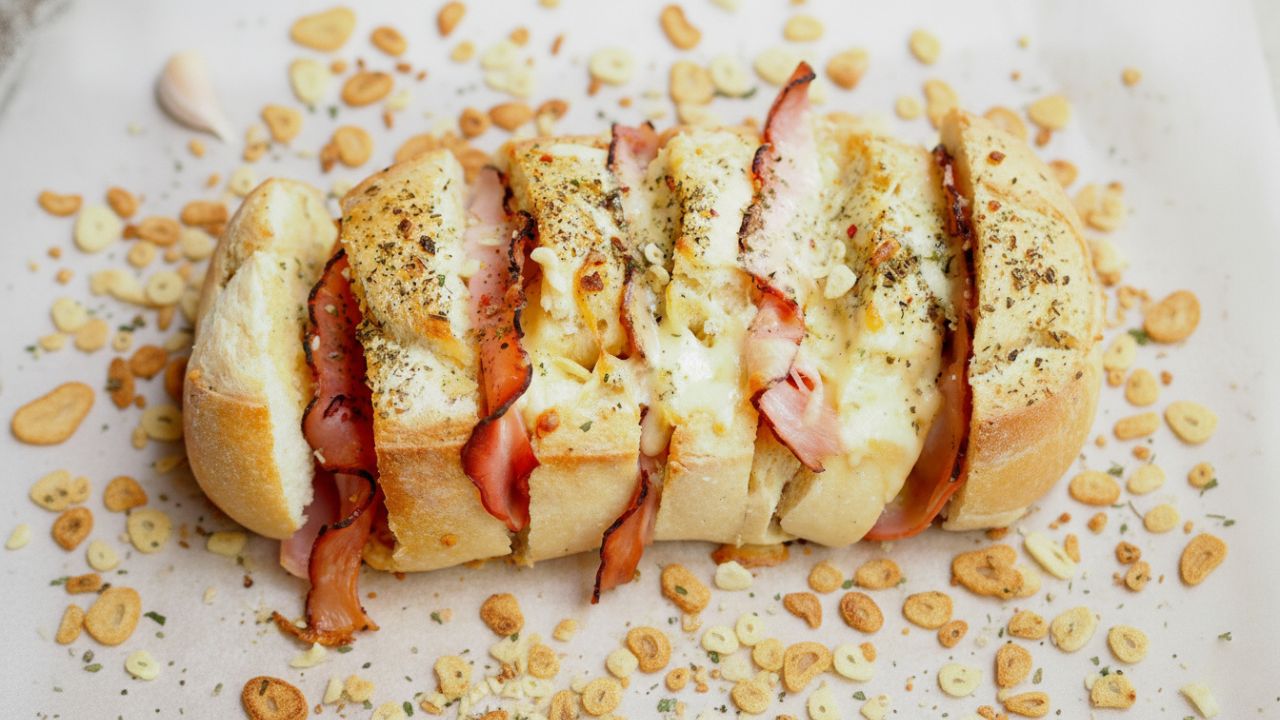
A boy once begged his father for a dog. The father agreed, but only if the boy promised to take care of it.
One day, the dog got ticks. Panicked, the boy ran to his grandmother for help.
"Give the dog garlic," she said. "It'll kill the ticks."
The boy tried. The dog refused. He came back crying. "Grandma, it won't work!"
She smiled. "You don't just give the dog garlic. You wrap it in ham first."
The boy wrapped the garlic in ham. The dog ate it happily. The ticks disappeared.
Here's the lesson that most Product Managers miss: Your users are that dog. Your solution is the garlic. And if you lead with garlic, they'll refuse it every single time.
What Users Say vs. What They Need
Every Product Owner faces this tension daily. Users come to you with feature requests that sound like solutions:
- "We need a dark mode!"
- "Add an export to Excel button!"
- "Can you integrate with [Tool X]?"
These are ham requests. They're specific, tangible, and easy to visualize.
But here's what they're really saying:
- "I work late and bright screens hurt my eyes"
- "I need to share this data with my team who doesn't use your product"
- "My workflow spans multiple tools and context-switching kills my productivity"
These are garlic problems. They're the underlying needs that actually matter.
Most PMs make one of two fatal mistakes:
Mistake #1: Build exactly what users ask for (the ham), ignore the real problem, and wonder why adoption stays flat.
Mistake #2: Build what users "actually need" (the garlic), launch it with pride, and watch it get ignored because nobody wanted it that way.
The solution? You need both. But sequence matters.
How Slack Understood the Ham-First Principle
Let me share a real example of this principle in action.
In 2014, Slack was competing against entrenched enterprise communication tools. Users didn't wake up thinking "I need a centralized team communication platform with threaded conversations and powerful search" (garlic).
They woke up frustrated that:
- Email chains were impossible to follow
- Finding that one important file took 10 minutes
- Half their team used Skype, half used email, and nobody knew where conversations lived
So Slack's early marketing didn't lead with "enterprise collaboration platform." They led with:
"Be less busy" (Ham)
"Where work happens" (Ham)
"Searchable history so you can stop digging through email" (Ham)
These spoke to immediate, tangible frustrations. Once users tried Slack for these quick wins, they discovered the garlic: better team alignment, reduced context-switching, improved async communication, and knowledge retention.
Slack wrapped their sophisticated collaboration platform (garlic) in the promise of less busy-work (ham). And it worked spectacularly.
They didn't trick users. The ham was real. But it was the entry point to deeper value.
From User Requests to Product Requirements
Here's a practical approach to applying ham-first thinking to your user research and feature prioritization:
Step 1: Listen for the Ham (What They Say They Want)
When users make requests, document them exactly as stated. This is your ham. It tells you:
- What language resonates with them
- What they think the solution looks like
- What their entry point is
User request: "Add a dashboard with all my tasks in one place"
Step 2: Dig for the Garlic (What They Actually Need)
Ask the Five Whys or use jobs-to-be-done interviews:
- Why do you want a dashboard?
- "Because I keep forgetting what I need to do"
- Why are you forgetting?
- "Because tasks are scattered across three different tools"
- Why does that cause you to forget?
- "Because I don't have time to check three places every morning"
Real need: Reduce cognitive load and context-switching in task management.
Step 3: Design the Garlic (Your Actual Solution)
Now you know what to build. Maybe it's:
- A unified notification system
- Email digests of pending tasks
- A mobile-first task view for morning reviews
- Integration with their existing tools
Notice: None of these are "a dashboard," but all solve the real problem better.
Step 4: Market with Ham, Deliver with Garlic
When you launch your solution:
Bad messaging: "We've built a sophisticated notification aggregation system with smart filtering algorithms"
Good messaging: "Never forget a task again. All your work in one morning email."
The second one speaks to the original frustration (ham) while delivering the thoughtful solution (garlic).
When to Lead with Garlic
Here's the nuance most blog posts miss: Sometimes you should lead with garlic.
Lead with garlic when:
- Your audience is sophisticated and problem-aware
- You're selling to champions who need to pitch internally
- The market is mature and everyone knows the problem
Lead with ham when:
- Users don't realize they have the problem
- The market is early and educational
- You're competing against "good enough" alternatives
- Users are skeptical or change-resistant
For most B2B SaaS products, especially those targeting Product Managers and Product Owners, you need both. Your homepage needs ham (quick wins, clear value). Your demo needs to show garlic (depth, sophistication, long-term value).
Three Tactical Tips for Product Managers
1. Reframe your user research questions
Instead of "What features do you want?" ask:
- "Walk me through your last frustrating experience with [task]"
- "What did you try to do yesterday that didn't work?"
- "If you could eliminate one daily annoyance, what would it be?"
You'll get ham stories that reveal garlic problems.
2. Create a Ham-Garlic Matrix for your roadmap
For each feature, identify:
- The Ham: The tangible quick win users will see immediately
- The Garlic: The deeper problem it solves
- The Wrapper: How you'll communicate it
If you can't clearly articulate all three, you don't understand the requirement well enough.
3. Test your messaging with the "So what?" test
Look at your feature announcement or product page. After each sentence, ask "So what?"
"We've added batch editing" → So what?
"You can now update 50 records at once" → So what?
"Save 2 hours every Friday on status updates" → That's ham.
Keep asking until you hit an emotional payoff.
The Ethics of Ham-First Product Management
A word of caution: This framework is not permission to manipulate.
Bad ham-first: Promising weight loss supplements (ham) to sell a fitness plan that requires discipline (garlic) you know most users won't follow.
Good ham-first: Promising "better sleep tonight" (ham) to sell a meditation app (garlic) that actually improves sleep through proven techniques.
The difference? The ham must honestly preview the garlic. Your quick win must be a genuine milestone toward the deeper value, not a bait-and-switch.
If your users feel tricked after the ham, you've failed. If they feel delighted and curious about what else you can do for them, you've succeeded.
Both Matter, Sequence Matters More
As Product Managers and Product Owners, we're not choosing between user wants and user needs. We're not deciding between ham and garlic.
We're learning to wrap one in the other.
Build for the real problem. Market for the felt frustration. Deliver quick wins that lead to lasting transformation.
Your users don't want requirements gathering workshops. They want products that solve their problems without them having to think too hard about it.
Give them the ham. Deliver the garlic. Build trust through both.
Ready to Master User Requirements?
Understanding what users really need (and how to discover it) is the hardest skill in product management. It's also the most valuable.
Join my User Requirements Course where you'll learn:
- Advanced user research techniques beyond surveys
- How to translate vague requests into clear requirements
- Feature prioritization frameworks that balance wants vs. needs
- Real case studies from B2B and B2C products
Stop guessing. Start understanding.